

Get the new Great British Sewing Bee book worth £30 when you subscribe to Simply Sewing magazine
Your wardrobe Is failing you and it’s not because you lack clothes, but rather that you probably own too many. Here’s how to fix that.

Most wardrobes do not fail because we lack clothes. They fail because they quietly fill up with items that no longer serve a real purpose in everyday life. A dress that’s never fitted right, shoes that looked better in the shop, or that “special occasion” outfit waiting for an event that never arrives.
Over time, clothing stops being just clothing. It becomes memory, aspiration, and habit and that is often why so many wardrobes are spilling over, yet so few outfits feel wearable.
It’s time to recognise when something has genuinely reached the end of its useful life in your wardrobe, even if it still technically looks fine on a hanger!
Here are 12 types of clothing that often fall into that category.
There is a long tradition of keeping shoes that look impressive but feel like a compromise the moment you put them on. They might pinch, slip, rub or simply demand more patience than a normal day allows.
The issue is not that they are unattractive, but that they quietly discourage you from wearing them at all. Shoes that are never worn are not part of a wardrobe in any practical sense.

Almost everyone owns at least one item that fits a hypothetical life rather than the one they really live. It might be a blazer for a job you do not have, or a dress for an occasion that has never appeared.
These pieces are less about fashion and more about imagination. The problem is that wardrobes are not storage for alternate timelines. If something has been waiting years for its moment, that moment is probably not coming.
Few items are more emotionally persistent than jeans that are “nearly right”. Too tight in one season, too loose in another, always held onto with the hope that they will eventually settle into usefulness.
Clothing that requires constant negotiation with your body rarely becomes reliable. Wardrobes work best when they are honest about fit, not aspirational about it.
Every wardrobe has at least one item that made perfect sense at the time of purchase. A bold jacket, a patterned dress, or something memorable bought for a specific event.
The problem with statement clothing is that it often has a short social lifespan. Once it has been worn a few times, it stops feeling new but still feels too distinctive to become everyday wear.

Basic items are the hardest to let go of precisely because they feel harmless. A stretched T-shirt, a thinning jumper, or socks that have seen better days can linger for years because they are technically still usable.
But basics only work when they are genuinely dependable. Once they lose shape or comfort, they quietly downgrade the rest of your wardrobe with them.
Many wardrobes contain multiples of the same item bought in slightly different versions. Yet in practice, only one or two ever become favourites.
The rest tend to sit untouched, preserved by the idea that they might become useful “someday,” even though experience suggests otherwise.
Some clothes are designed for events that rarely happen. Formal dresses, overly specific outfits, or pieces bought for weddings, parties or celebrations that have long since passed.
The difficulty is that they feel too special to discard, but too specific to wear again. Over time, they become wardrobe artefacts rather than active clothing.
A familiar story: something looked appealing in a changing room, felt exciting in the moment, and made it home with enthusiasm. But without a real place in your existing wardrobe, it quickly becomes difficult to style.
These items often survive on potential rather than practicality. They wait for an outfit that never quite comes together.

Some garments require too much attention once they are on. Sleeves that slip, straps that need repositioning, waistbands that shift, or fabrics that do not sit comfortably.
If an item interrupts your day more than once, it stops being convenient clothing and starts becoming maintenance. Not to mention the discomfort to your skin it might be causing if the fabric is constantly rubbing on your skin.
Fashion moves faster than most wardrobes can keep up with. Certain items become visually associated with a specific moment in time, and once that moment passes, they can feel difficult to wear without thinking about it.
This does not mean they are bad clothes, only that their lifespan in a personal wardrobe is often shorter than expected.
Clothing received as a gift carries a particular kind of emotional weight. Even when it does not quite suit your style, it can be difficult to let go of.
But unworn gifts often become silent space-fillers, occupying space out of sentiment rather than function.
Every wardrobe seems to contain a version of the self that will start running, join a gym, or become more active “soon”.
These clothes are not really part of daily life. They are placeholders for routines that have not yet begun, and sometimes never do.

Simple ways to reset your wardrobe without overthinking it
Sometimes the hardest part of decluttering is knowing where to start. Instead of trying to make big decisions all at once, it can help to use small systems that quietly reveal what you actually wear.
Turn your hangers around
Hang all your clothes with the hangers facing the opposite direction. After you wear something, return it the normal way. After a few months, it becomes immediately clear which pieces you reach for and which have stayed untouched.
Try the “one-year rule”
If you have not worn something in the past 12 months, there is usually a reason. Seasonal exceptions aside, most regularly worn clothes will appear in that time frame.
The hanger test for duplicates
If you own multiple similar items, keep track of which ones get worn first. Over time, patterns emerge that show your real favourites, not just your intended ones.
Create a “maybe” box
Instead of forcing instant decisions, place uncertain items in a separate storage box. If you do not miss them after a few months, you will rarely miss them later.
Build outfits, not piles
When trying on clothes, test them as full outfits rather than individual pieces. Many items fail not because they are bad on their own, but because they do not work with what you already own.
Use the mirror, not memory
It is easy to remember how something looked the first time you wore it. It is harder to remember how it felt to wear it for a full day. Comfort and confidence matter more than first impressions.
The 90-day challenge
If you are unsure whether to keep something, put it away in a separate box or spare wardrobe for 90 days. If you have not needed or even thought about it by the end of that period, it is a good sign it is no longer earning its place in your wardrobe. The items you genuinely miss are the ones worth keeping.
The £1-per-wear-rule
Think about how much use you have actually had from an item rather than how much it cost. A £100 coat worn 200 times is far better value than a £20 top worn once. If something has barely left the wardrobe since you bought it, ask yourself honestly whether that is likely to change.
The ‘would I buy it today?’ test
Take each item off its hanger and ask yourself one simple question: If I saw this in a shop today, would I buy it again at full price? If the answer is no, it may be time to let it go. This trick helps separate emotional attachment from genuine style.
The backwards outfit challenge
For one month, challenge yourself to wear every item in your wardrobe at least once. If you reach the end of the month and there are still pieces you have actively avoided, ask yourself why. Chances are they no longer suit your style, fit or lifestyle.
Take photos of your outfits
One reason people think they have “nothing to wear” is that they forget what combinations work. Taking quick mirror photos of outfits you enjoy creates a personal lookbook on your phone, making it easier to spot the clothes you wear repeatedly and the ones that never make an appearance.
Image credits: Getty/ozgurdonmaz, Getty/saulgrand, Getty/OKrasyuk, Getty/Tatsiana Volkava, BBC/Studio Lambert/ Euan Cherry

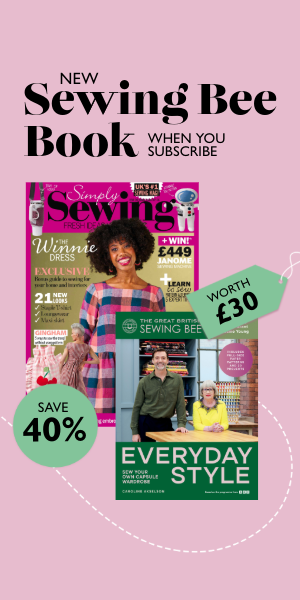
Never miss an issue! Sign up to receive your favourite magazine every month – delivered straight to your door.
Sign up today