

Get the new Great British Sewing Bee book worth £30 when you subscribe to Simply Sewing magazine
When they finally appeared, many people thought they were unnecessary, impractical and even scandalous

Why do certain fashion trends keep coming back? The answer can be found in the enduring appeal of vintage style. Between the 1940s and 1960s, dress design underwent a dramatic transformation, producing some of the most recognisable and influential looks in fashion history. From timeless elegance to statement-making silhouettes, these are the vintage trends that never go out of style.

The popularity of the tea dance in the 1940s saw the rise of the now iconic tea dress. With its drapey, bias-cut midi skirt and softly shaped bodice, the tea dress was comfortable, flattering, and perfect for twirling around a crowded dance floor. Most designs featured
a waist yoke, with the skirt and bodice gently gathered or shirred into it, creating a relaxed but elegant silhouette that suited everyday wear just as well as dancing.
The challenges of World War Two led to austerity and rationing, sparking a wave of creativity that changed the way people dressed. Although clothing was rationed, sewing thread and elastic were not, which meant home sewing skills became invaluable and “make do and mend” was more than a slogan.
Dresses were made from whatever could be found. Rayon, promoted through the government’s Utility Clothing Scheme, was widely available, but when other fabrics were scarce, resourceful dressmakers turned to furnishing fabrics, blackout material, and even men’s clothing.
War challenges sparked creativity and changed the way people dressed
The fabric shortage heavily influenced dress design. Patterns were designed to use as little fabric as possible. Sleeves were short and narrow, hems were modest, and belts, collars, and pleats were strictly limited by regulations. Using plain fabrics, often brown, grey or navy, or fabrics with a small ditzy print was a good way to avoid wasteful pattern matching.
When fabric ran short, collars were made from a contrasting material. Decoration was usually kept to a minimum. Embroidery, fur, leather trims, and excessive buttons were banned. With zips also restricted, dresses were fastened with press studs or hooks and eyes.
The tea dress had a surprising revival with a rebellious edge in the 1990s when celebrities like Kate Moss, Gwen Stefani, and Courtney Love paired short, button-front tea dresses with chunky boots and bold red lipstick. What a world away from the gloves, hats, and handbags of the original look!


The early 1950s were all about celebrating life after the war. With rationing over and the Utility Clothing Scheme winding down, fashion could finally indulge in glamour again. The fabric industry was booming. With a wide range of new machine-manufactured materials, such as nylon and synthetic silk, now available, clothes could be brighter and shinier than ever before.
Christian Dior’s game-changing “New Look” of 1947, featuring dresses with exaggerated busts, tiny waists, and full hips, were a complete contrast to the highly frugal styles of the war years. With dresses requiring various layers of fabric, built-in structure, and occasionally up to 90 yards of fabric they were screaming extravagance, and the New Look became a blueprint for the iconic fit-and-flare silhouette that still inspires dresses today.
Skirts, whether pencil-thin or wide and full, always hit the calves. The silver screen was full of style icons, such as Grace Kelly, Marilyn Monroe and Audrey Hepburn, so it’s little wonder that this decade became synonymous with elegance and sophistication.
For everyday wear, practicality met femininity in charming ways. Gingham wrap-dresses, softly pleated dirndls and mix-and-match separates offered comfort without sacrificing style. These pieces allowed busy housewives to juggle chores, children, and social life while still looking polished and elegant.
Dresses featured exaggerated busts, tiny waists and full hips
The post-war dance craze also influenced fashion. By the early 1950s, Latin dances like the cha-cha were lighting up dance halls, inspiring off-the-shoulder dresses, bold prints, and vibrant colours, adding a touch of holiday to everyday life.
Then came rock ’n’ roll in 1955, and the full-skirted petticoat dresses really took the spotlight. Skirts swung under layers of nylon petticoats, cinched with tight belts, and often featured playful patterns like checks, polka dots, or poodles!
Whether it was the high drama of Dior’s couture or the everyday charm of gingham dresses, the 1950s were a golden era for feminine, joyful fashion.


The early 1960s began with one foot still firmly planted in the past. Dior’s New Look still influenced fashion, and couture-inspired dresses made by local dressmakers were considered the gold standard. Except for the teenagers born in the post-war baby boom, who didn’t want to dress like their parents.
With new freedom, spending money, and a hunger for change, young people were about to completely reshape the fashion landscape.
Everything shifted when Mary Quant opened her boutique, Bazaar, in Chelsea in 1958. With music from The Beatles and The Rolling Stones blasting, the rails were packed with short, simple shift dresses that felt fresh and rebellious.
1960s styles were a stark contrast from the polished looks of the 1950s
These styles were a stark contrast from the fitted suits and polished looks of the 1950s. Soon came Quant’s even shorter “tent” dresses, hanging loosely from the shoulders and skimming over the body to create the iconic baby-doll silhouette made famous by Twiggy. When Quant teamed up with Butterick in 1964 to release sewing patterns, trendy sewists could recreate her look at home.
As street style took over, luxury fabrics fell out of favour. Designers and dressmakers experimented with whatever caught the eye: vinyl, PVC, patent leather, metal, and even paper. The space race fuelled this futuristic mood. Pierre Cardin played with cut-outs and synthetic fabrics, while André Courrèges reimagined classic A-line dresses using sharp geometry and glossy white materials, giving dresses a sleek, space-age edge.
By the mid-60s, dress styles swung to extremes. You could choose a micro-mini or a long, floaty hippie dress. Prints were big, bold, and playful, such as Op Art, psychedelic swirls, oversized florals, or striking monochrome designs. The dresses of the 1960s became fearless, experimental, and fun, and this spirit of freedom still shapes modern dress fashion today.

Ready for your next project?
Head to the Gathered Shop for endless inspiration and beautifully designed patterns.

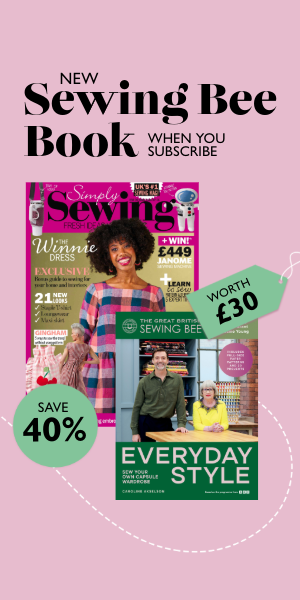
Never miss an issue! Sign up to receive your favourite magazine every month – delivered straight to your door.
Sign up today